Start with room to breathe.
The afternoon opening gave guests time to enter, orient themselves and settle into the site before the pavilion became the visual center of the event.
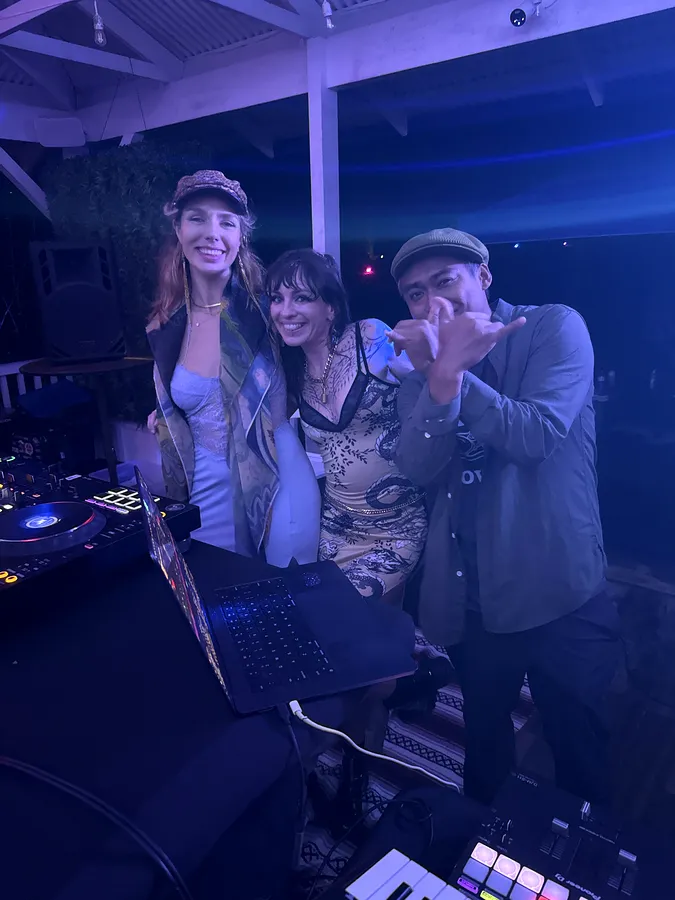

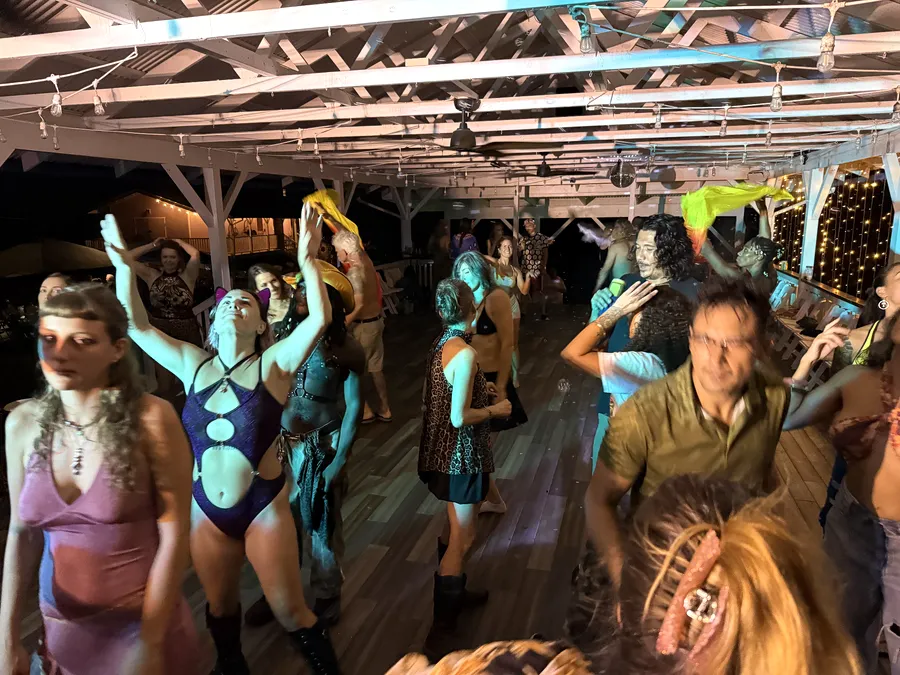
A 12-hour invitation-approved EDM festival that turned the property into a working nighttime environment for DJs, lighting, dance-floor programming, hospitality, guest circulation and a 3 AM close.
The brief
NOCTURNE was planned as a long-form dance event rather than a short club night. The site had to support afternoon arrival, multiple DJ changeovers, an increasingly immersive lighting environment, bar service, controlled entry and a clear relationship between the performance position and the covered dance floor.
The objective was not to prove one permanent floor plan. It was to show how a producer-led concept can use the property as a collection of zones and operating systems that change with programming, audience behavior and technical requirements.
The afternoon opening gave guests time to enter, orient themselves and settle into the site before the pavilion became the visual center of the event.
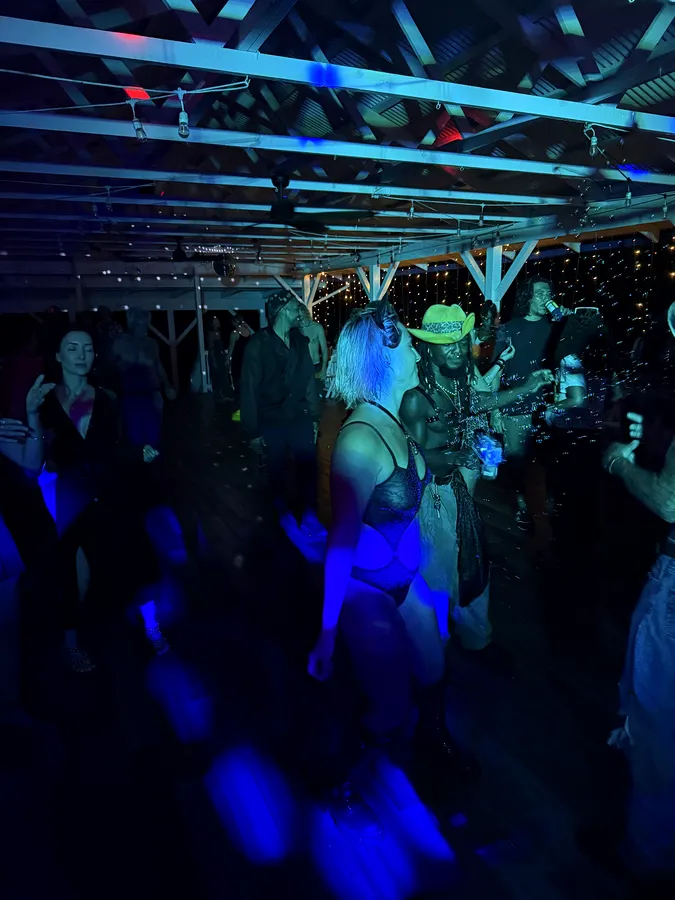
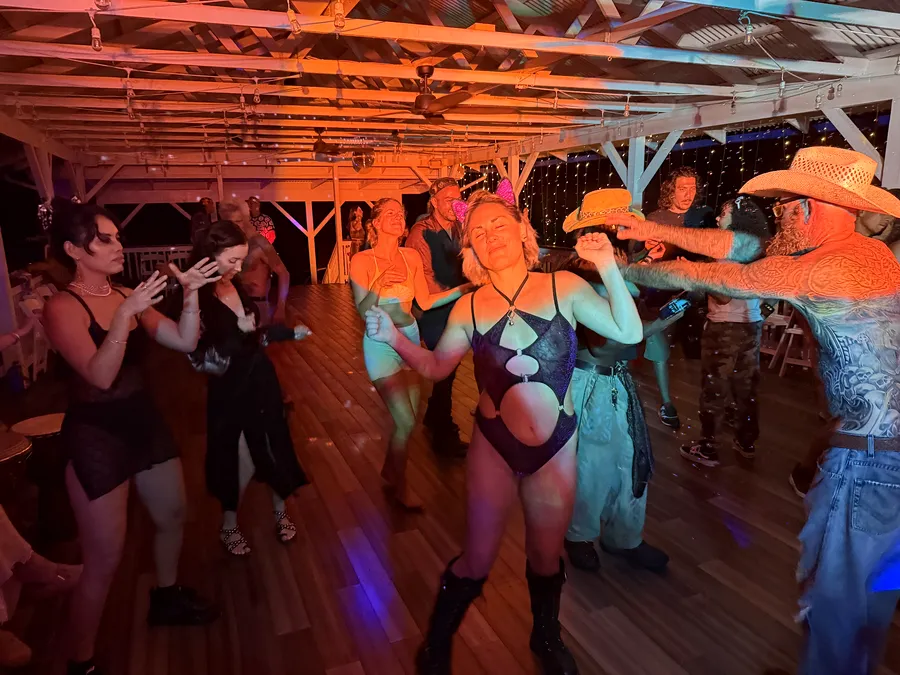
As daylight disappeared, color and contrast changed the pavilion from a covered gathering area into a focused nighttime room without relying on a permanent scenic build.
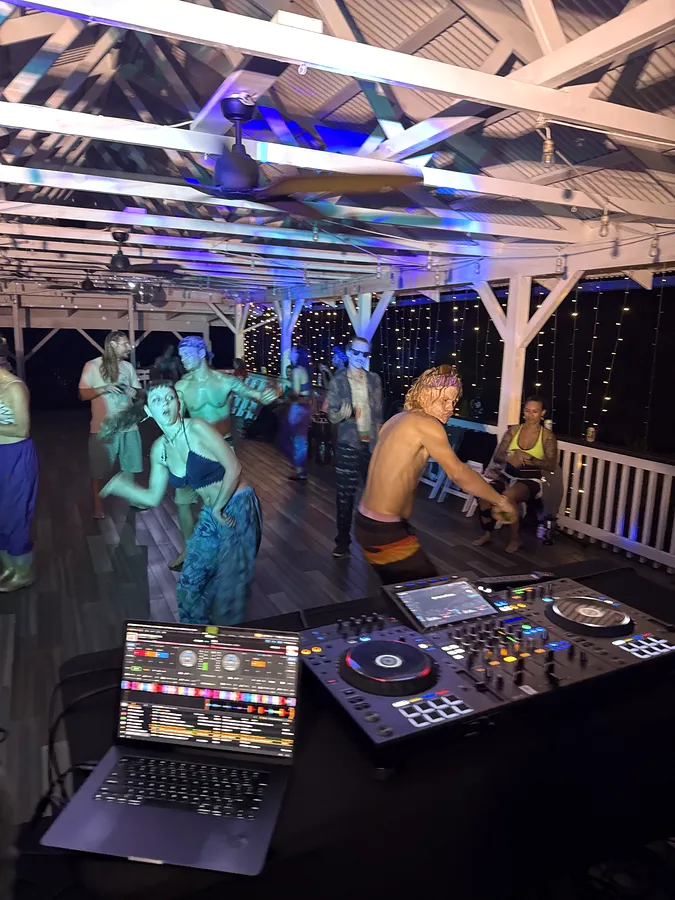
The booth-to-floor sightline gave the room a strong focal point. The production foreground, DJ position and moving audience could read as one environment instead of isolated zones.
A 3 AM finish changes staffing, lighting, bar pacing, artist turnover and guest movement. Late-night operations were part of the production brief rather than an afterthought.
Production footprint
The event configuration prioritized the relationship between performance, audience, service and support functions rather than simply maximizing headcount.
A defined performance position with a direct visual relationship to the floor and room for artist changeovers.
The covered pavilion concentrated the audience environment and allowed lighting to shape the room.
Dynamic color washes changed the character of the same physical footprint through the evening.
Entry, audience movement, service areas and support circulation were treated as separate operating needs.
Beverage service supported the event flow instead of competing with the primary audience environment.
Staffing, egress and a 3 AM close were accounted for from the beginning of production planning.
Programming
The published schedule moved from afternoon arrival into full nighttime programming, with longer prime-time sets and an Odysseus closing return.
Inside the event
The strongest media shows how equipment, performers, audience and lighting occupy the same environment under show conditions.
Producer takeaways
The value of a case study is not the exact setup. It is the operational evidence that helps a producer make better decisions.
The booth-to-floor relationship created a clear performance focal point and kept the audience visually connected to the DJ.
Color and contrast gave the pavilion a different identity after sunset without a heavy scenic build.
A 12-hour schedule changes staffing, arrival patterns, bar demand, artist turnover and closeout planning.
Performance, audience, hospitality, support and VIP zones can be reconfigured around the production brief.
Planning something with similar production weight?
Your event can use a different stage orientation, audience layout, hospitality mix, technical package and operating schedule.